Breakfast
32 gProtein & muscle
Lose Fat. Keep Muscle.
When you're barely hungry, protein is usually the first thing to fall off your plate. Your body then pulls what it needs from muscle. Less muscle means a slower metabolism, less strength, and a harder time keeping weight off if you ever stop the medication.
Step 1
Find Your Number
Aim for 0.8 to 1 gram of protein for every pound of your goal weight. Use your goal weight, not today's weight. A 240-pound person doesn't need 240 grams; the target follows the body you're building toward.
Start at the low end. If you're lifting, or your pharmacist says you're losing muscle, work toward the top.
| Goal weight | Low end (0.8) | High end (1.0) |
|---|---|---|
| 130 lb | 104 g | 130 g |
| 150 lb | 120 g | 150 g |
| 170 lb | 136 g | 170 g |
| 190 lb | 152 g | 190 g |
| 210 lb | 168 g | 210 g |
Habit 1 · Protein first
Build Every Meal Around About 30 Grams
Eat the protein before anything else on the plate. You'll fill up fast, so make the first bites count. Spreading protein across the day also works better than trying to catch up with one big dinner you can't finish.
What 120 grams looks like
A real day for a woman with a 150-pound goal. Normal food, normal portions.
Lunch
26 gAfternoon snack
16 gDinner
25 gClosing the gap
+22 gThe day adds up to 121 grams
Food alone: 99 g. The shake closes the last 22.
Aiming for the top of the range? Add a Level-1 bar as a second snack (+20 g) and you're at 141.
Swap List: What a Serving Gets You
Mix and match to hit about 30 grams a meal. Numbers are typical; brands vary, so check the label.
Breakfast
- Plain Greek yogurt, 1 cup
- 20 g
- Cottage cheese, ½ cup
- 13 g
- Ultra-filtered milk, 1 cup
- 13 g
- Eggs, 2 large
- 12 g
- Regular milk, 1 cup
- 8 g
Lunch & dinner
- Chicken breast, 3 oz cooked
- 26 g
- Tuna, 1 can drained
- 25 g
- Salmon, 4 oz cooked
- 25 g
- 93% lean ground beef, 3 oz cooked
- 22 g
- Shrimp, 3 oz cooked
- 20 g
- Deli turkey, 3 oz
- 15 g
- Black beans, ½ cup
- 7 g
Snacks
- Beef or turkey jerky, 1 oz
- 9 g
- Edamame, ½ cup shelled
- 9 g
- String cheese, 1 stick
- 7 g
- Peanut butter, 2 tbsp
- 7 g
- Hard-boiled egg, 1
- 6 g
- Almonds, 1 oz (about 23)
- 6 g
From our cooler
- Phormula-1 Clear, 1 scoop
- 22 g
- Level-1 bar, 1 bar
- 20 g
Same protein as a chicken breast, and it goes down when a plate of food won't.
Habit 2 · Drink some of it
Close the Gap You Can’t Eat
Most patients get 80 to 100 grams from food on a good day. On a bad day, when nothing sounds good, it's half that. A protein drink goes down easier than a plate of food, and a clear one sits lighter than a milkshake. We picked 1st Phorm because it's third-party tested and our own staff drink it. Ask for a sample at the counter.
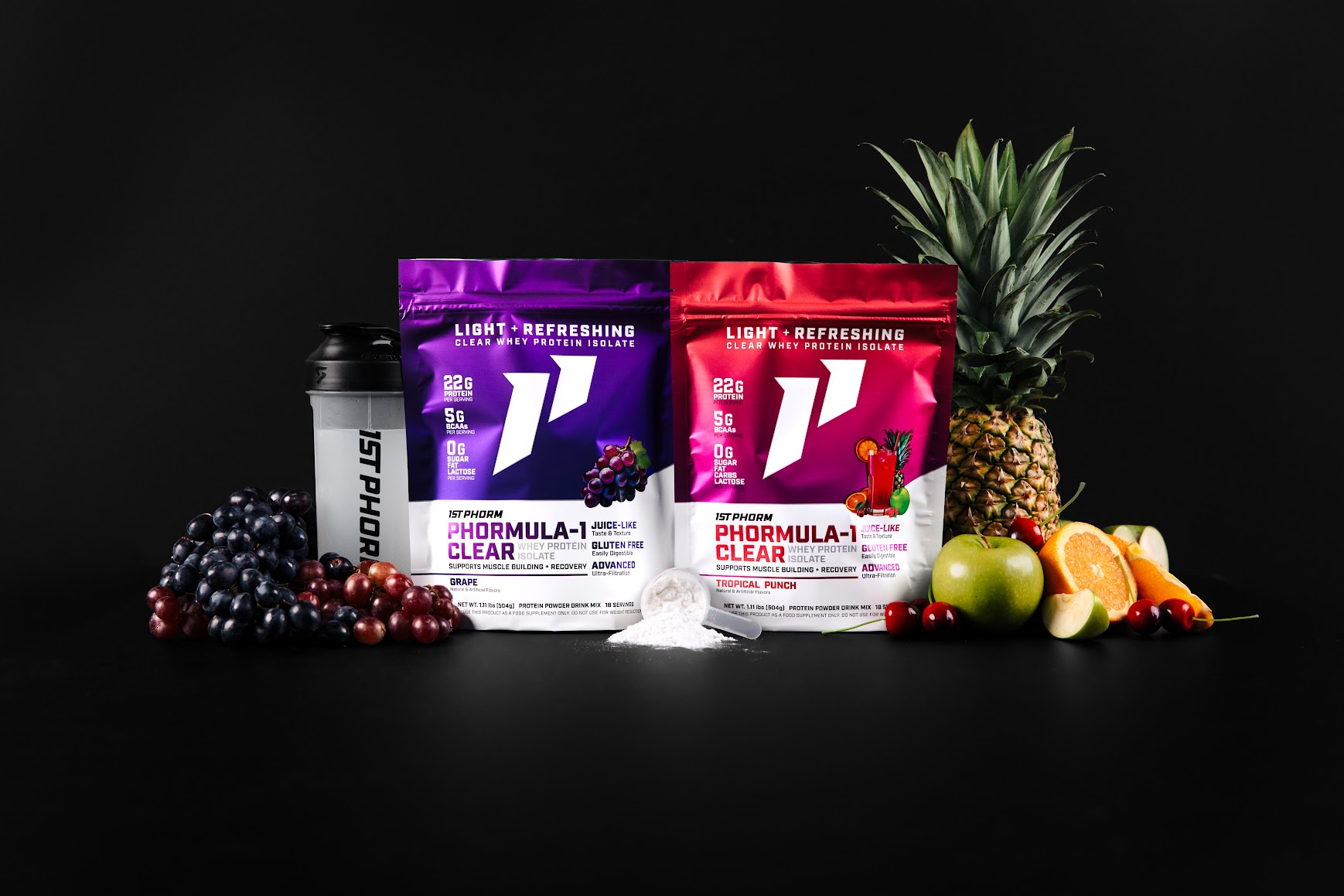
Our first pick · 22 g protein
Phormula-1 Clear
Whey isolate that drinks like a sports drink, not a milkshake. Zero sugar. Easiest on a queasy stomach.
[PRICE]
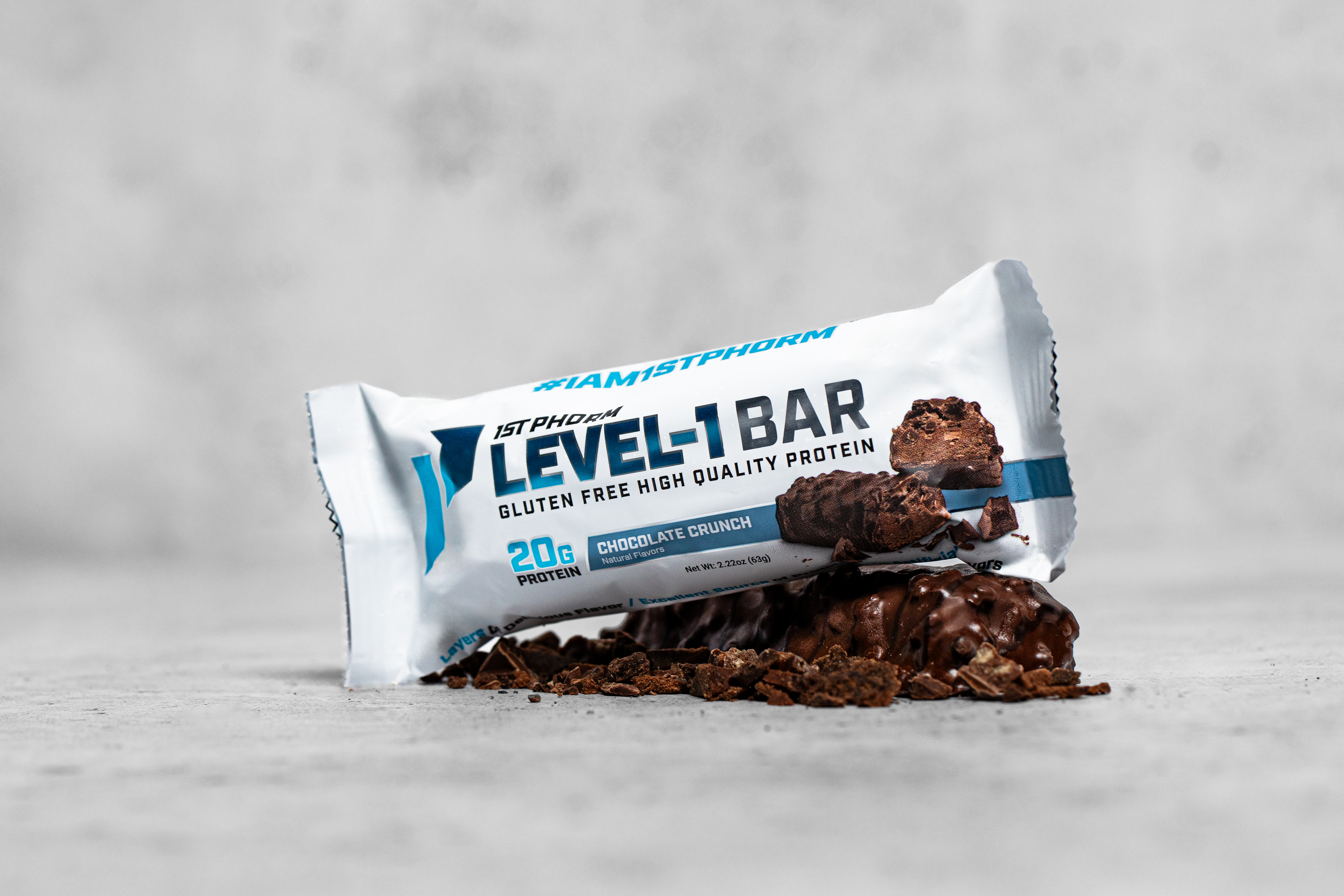
Grab and go · 20 g protein
Level-1 bars
For the car, the desk, or the afternoon slump. Keep one in your bag for days you skip lunch.
[PRICE]
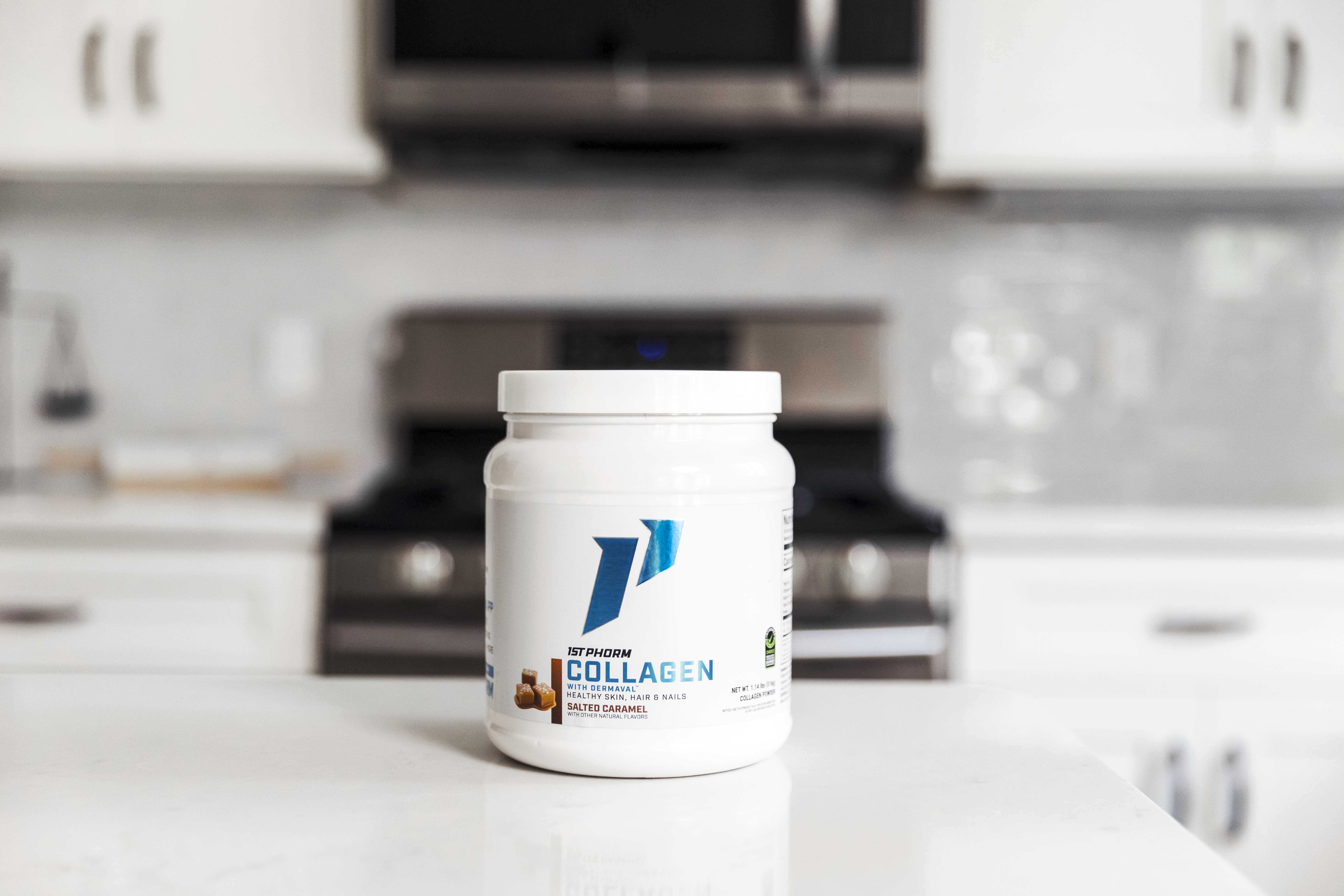
Hair, skin, nails
Collagen with Dermaval
An add-on, not a protein replacement. Collagen doesn't count toward your daily number the way whey or meat does.
[PRICE]
Habit 3 · Lift something
Protein is the material. Lifting weights tells your body to use it.
Without some strength work, extra protein mostly gets burned for energy. You don't need a gym membership.
- Two or three 20-minute sessions a week
- Bands, dumbbells, or bodyweight: squats to a chair, wall push-ups, carrying groceries in one trip
- Time a protein meal or a shake within a couple of hours after
- Check with your doctor before starting if you have heart, joint, or balance problems
Not sure you're getting enough?
Tell us what you ate yesterday. We'll show you where the gap is and the cheapest way to close it.
General education, not medical advice. Protein values are typical averages from common food labels and vary by brand and preparation. If you have kidney disease, ask your prescriber before raising your protein.
These statements have not been evaluated by the FDA. These products are not intended to diagnose, treat, cure, or prevent any disease.